
CGMs for Longevity: Tool or Distraction?
Continuous Glucose Monitors (CGMs) are having a moment.
But just because something is popular doesn’t mean it’s right for you.
At Longevity Health, we don’t chase trends—we use tools with purpose. CGMs are just that: a tool. Not a magic fix. Not a biohacker badge.
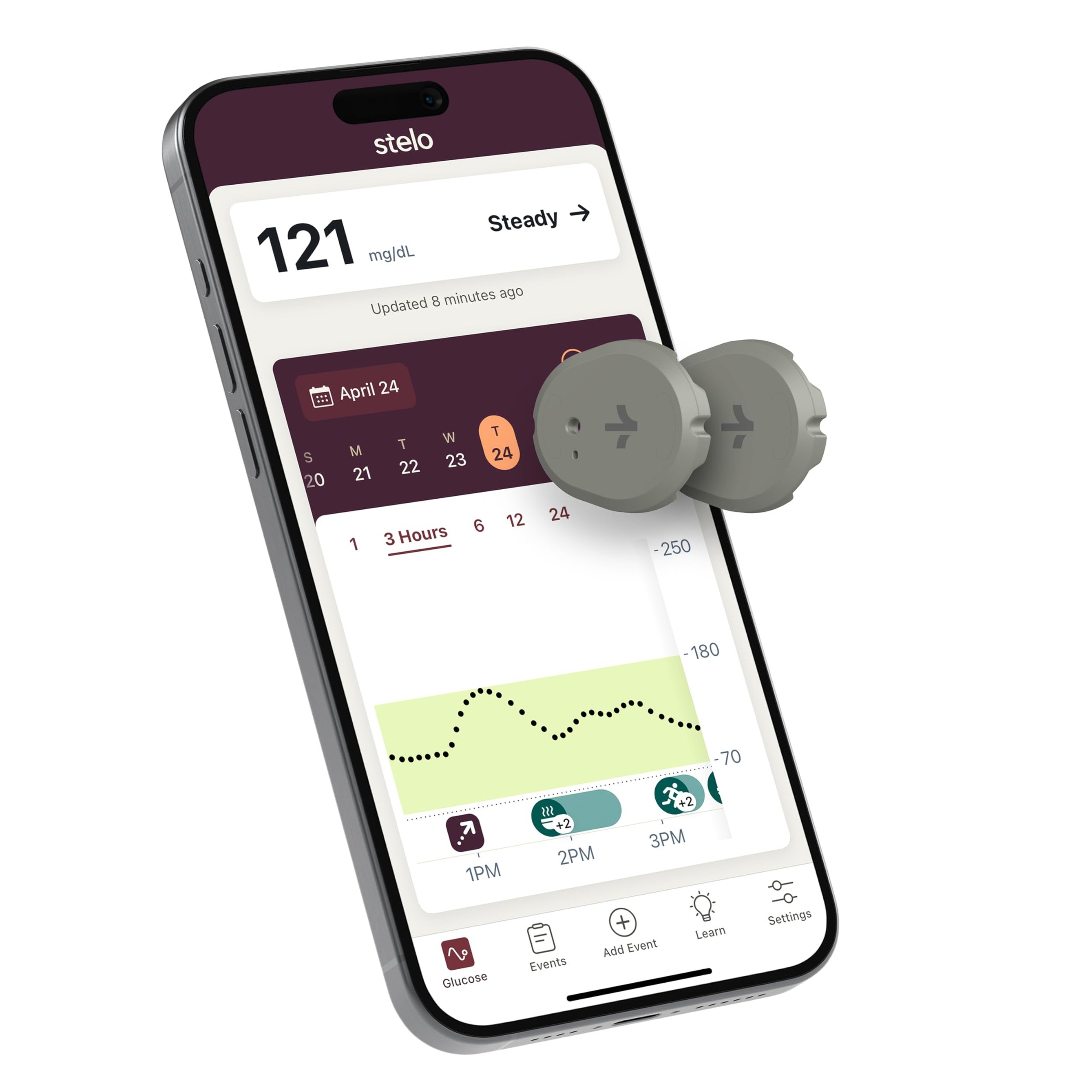
What CGMs Can Actually Help With
When used strategically, CGMs can provide valuable insights:
Reveal blood sugar patterns
Show how your body responds to specific foods
Highlight energy crashes, sleep disruption, and post-meal sluggishness
Used correctly, they can help you understand your metabolism on a deeper level.
Where CGMs Can Go Wrong
Without context, CGMs can also create problems:
Food fear
Obsessive tracking behavior
Distraction from foundational health habits
👉 Data without strategy can do more harm than good.
Our Approach: How to Use CGMs the Right Way

1. Start with a Baseline
We don’t use CGMs blindly.
We first look at:
Labs
Symptoms
Goals
Then decide if a CGM will actually add value.

2. Focus on Patterns, Not Panic
One glucose spike doesn’t mean failure.
👉 It’s about trends over time—not stressing over every meal.

3. Use Data to Support Action (Not Obsession)
If you’re not sleeping, lifting, or moving consistently, a CGM won’t fix that.
We use CGM data to support behavior change—not replace it.

4. Stack the Big Levers
CGMs are just one layer.
We prioritize:
Sleep
Muscle mass
Insulin sensitivity
Recovery
👉 These drive the biggest outcomes.

5. Individualize Everything
For some people, CGMs are a game-changer.
For others, they add noise.
The difference comes down to:
👉 How and why you use them.
Key Takeaways
Ask why before using a CGM—are you learning or following hype?
Don’t let numbers control your behavior
Blood sugar is important—but it’s downstream of bigger health drivers
CGMs work best when combined with strong fundamentals
A Smarter Way to Use Health Data
CGMs are powerful—but only when used in context.
They’re not the solution.
👉 They’re a feedback tool.
And the real work still comes down to:
Nutrition
Movement
Sleep
Consistency
If you want to use tools like CGMs within a structured, personalized strategy, explore our longevity concierge service.