
Peptides: Hype or Help for Longevity?
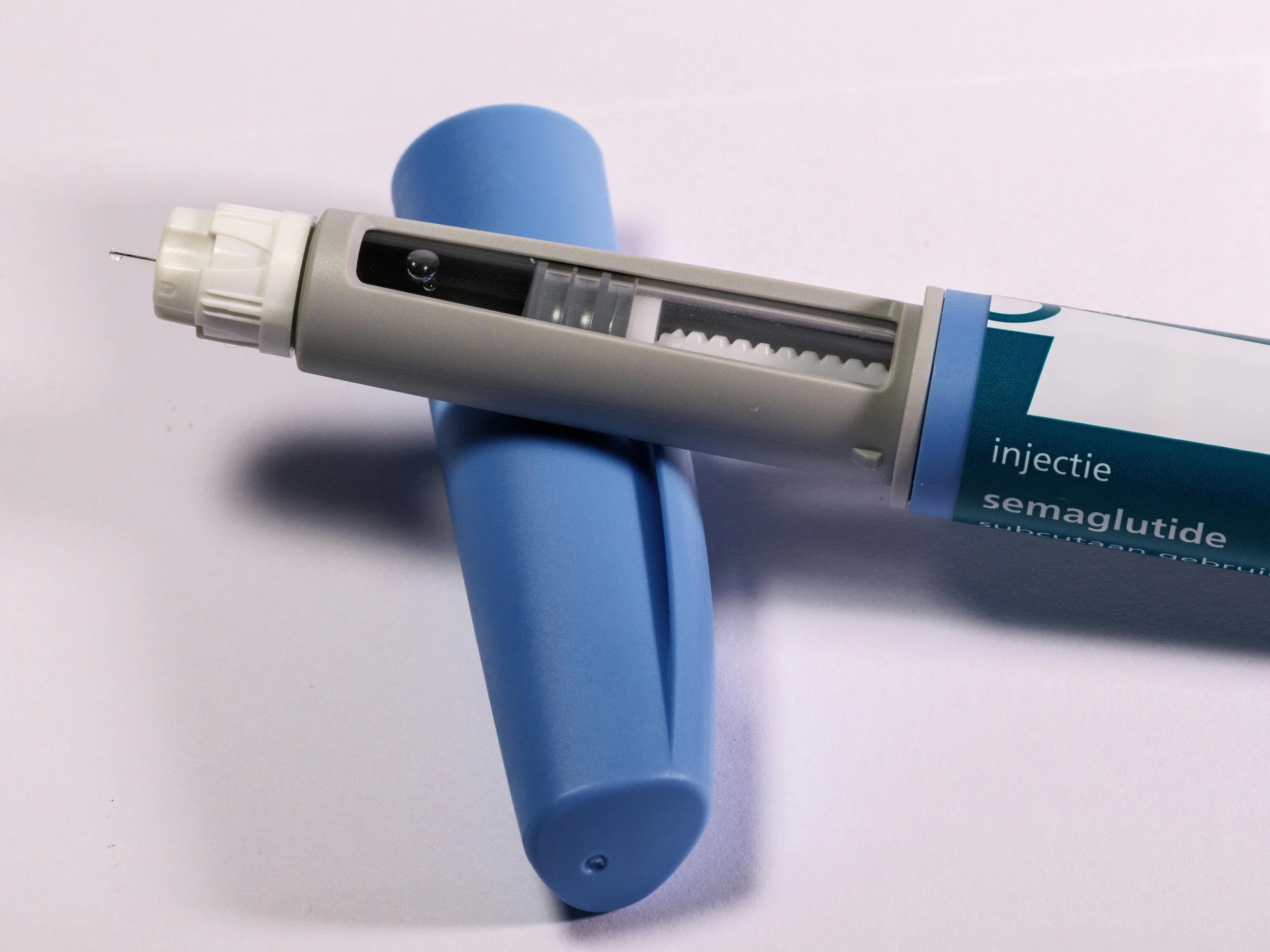
Peptides have become one of the most talked-about tools in the longevity and health optimization space.
They’re short chains of amino acids that act as biological messengers—impacting:
Metabolism
Recovery
Inflammation
Energy
Even aging
With all the buzz, it’s worth asking:
👉 Are peptides the next frontier in longevity—or just another health fad?
Why Peptides Are Getting Attention
In theory, peptides can signal the body to:
Repair tissue
Produce hormones
Enhance cellular communication
That makes them appealing for goals like:
Fat loss
Recovery
Immune support
Skin and tissue health
But the real challenge is:
👉 Separating scientific promise from marketing hype
At Longevity Health, our physicians take a clear stance:
👉 Most peptides sound promising—but very few have strong human data
What’s Proven
GLP-1 receptor agonists (e.g., Ozempic)
These are the most well-studied peptide-based therapies.
They have:
FDA approval
Strong clinical evidence
Proven benefits for blood sugar, weight loss, and cardiovascular risk
What’s Still Emerging
Other peptides—such as:
BPC-157
CJC-1295
Ipamorelin
Thymosin Alpha-1
👉 Show early promise in areas like:
Tissue repair
Immune function
Recovery
But:
Most data is preclinical or limited
Long-term safety is still unclear
Our Peptide Philosophy
At Longevity Health, we balance curiosity with caution.
Here’s how we approach peptides:
1. Use What’s Proven
We prioritize therapies backed by strong clinical evidence.
2. Track What’s Emerging
We monitor new research closely so we’re ready when evidence matures.
3. Avoid the Hype
We don’t chase trends based on anecdotal claims or marketing.
Key Takeaways
Most peptide marketing moves faster than the science
Only a small number of peptide therapies are well-validated
Medical supervision is essential for advanced therapies
Fundamentals still matter most for longevity
A Smarter Way to Think About Longevity
Peptides may play a role in the future of longevity.
But today:
👉 The biggest drivers of health are still:
Nutrition
Exercise
Sleep
Diagnostics
Innovation should support these—not replace them.
If you want guidance on which therapies are actually worth considering—and which to avoid—you can book a free consultation.