
VO₂ Max: The Single Best Predictor of How Long You’ll Live
Most people track the wrong things.
Weight.
Calories.
Steps.
Some track bloodwork.
Very few track VO₂ max.
👉 That’s a mistake.
Because when it comes to predicting long-term health and lifespan, VO₂ max is one of the strongest metrics we have.
What Is VO2 Max?
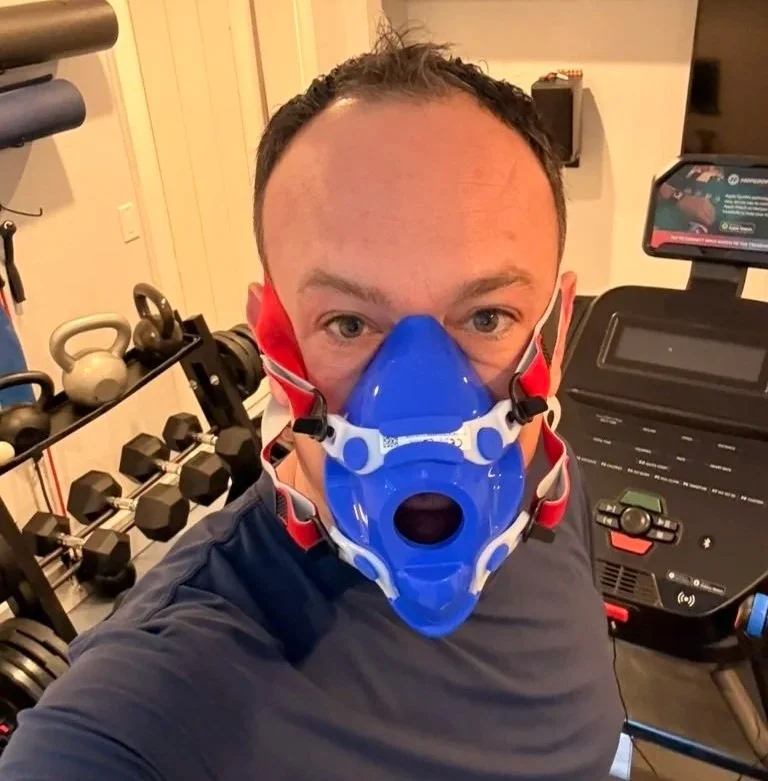
VO₂ max measures how much oxygen your body can use during exercise.
More specifically:
👉 It reflects your body’s ability to:
Deliver oxygen to muscles
Use that oxygen efficiently
Sustain output over time
It’s typically measured in:
milliliters of oxygen per kilogram of body weight per minute (ml/kg/min)
You don’t need to remember the number.
What matters is what it represents:
👉 Your aerobic capacity.
VO₂ max isn’t just a fitness metric.
It’s a system-wide marker.
It reflects how well your:
Heart
Lungs
Blood vessels
Muscles
Mitochondria
all work together.
That’s why it’s so powerful.
👉 It’s not measuring one thing.
It’s measuring the performance of the entire system.
The Longevity Connection
This is where it gets interesting.
Higher VO₂ max is consistently associated with:
Lower cardiovascular risk
Lower all-cause mortality
Better metabolic health
Greater resilience with age
In simple terms:
👉 The fitter you are aerobically, the longer—and better—you tend to live.
And this isn’t marginal.
The difference between low and high VO₂ max can mean:
👉 multiple years—sometimes decades—of difference in healthspan
Why It’s So Predictive
Most health markers look at one system.
VO₂ max looks at all of them together.
It captures:
Cardiovascular efficiency
Oxygen delivery
Energy production
Recovery capacity
Which means:
👉 It reflects how well your body handles stress.
And aging is, in many ways:
👉 A loss of that capacity.
What Is a “Good” VO2 Max?
VO₂ max varies based on:
Age
Sex
Training level
But general ranges:
Men:
Elite: 55+
Good: 45–55
Average: 35–45
Low: <35
Women:
Elite: 45+
Good: 35–45
Average: 30–35
Low: <30
For longevity:
👉 The goal isn’t average.
It’s staying in the top percentiles for your age group.
The Real Problem: It Declines Over Time
VO₂ max naturally declines with age.
Roughly:
👉 ~5–10% per decade (faster if inactive)
That means:
Less capacity
Less resilience
More risk
But here’s the key:
👉 That decline is highly modifiable
Why Most People Ignore It
Simple:
👉 It’s not routinely measured.
Your doctor won’t test it during an annual physical.
Most people never see their number.
So they focus on what’s easy:
Weight
Calories
Steps
Instead of what matters most.
How to Measure VO₂ Max
There are a few ways:
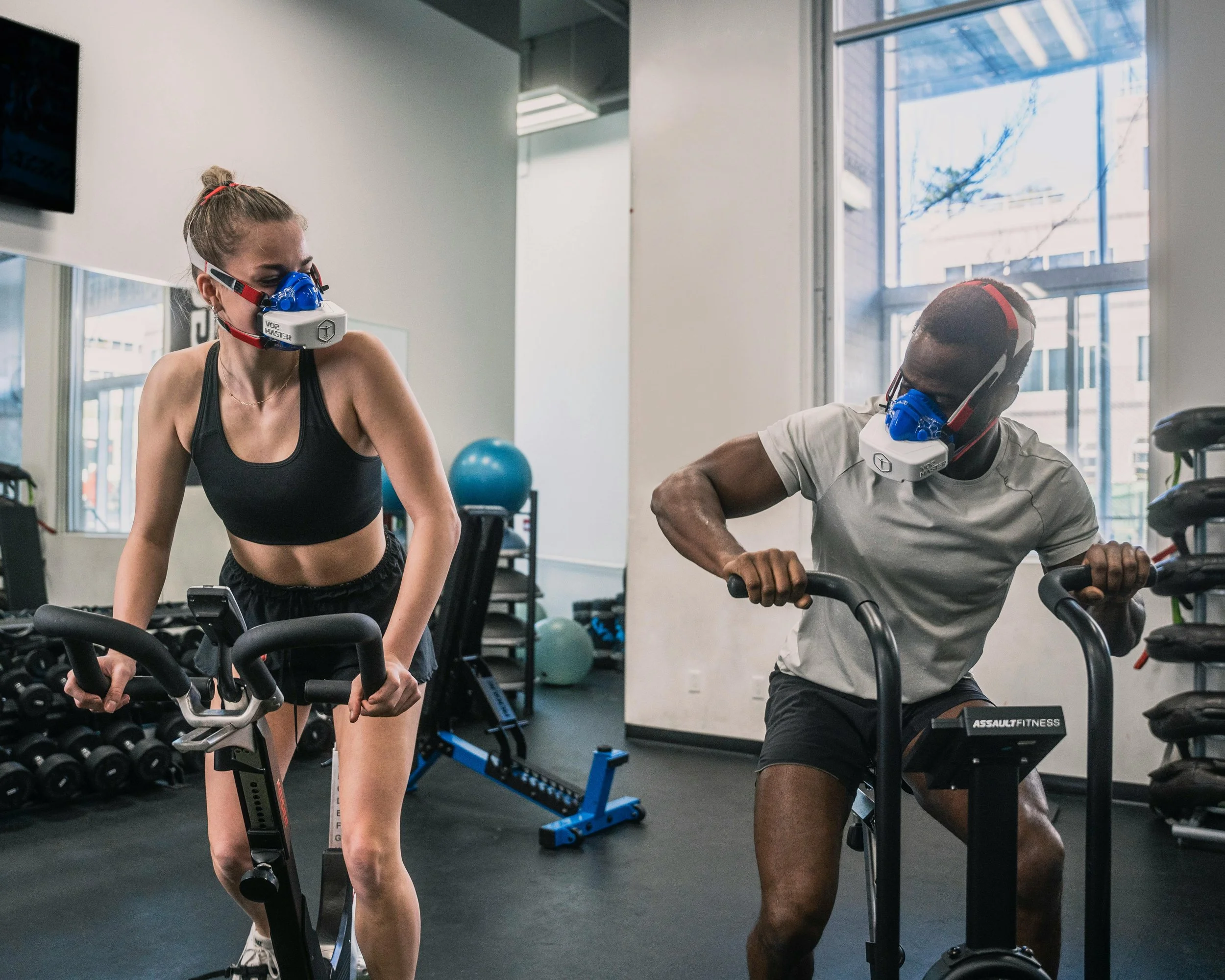
1. Lab Testing (Gold Standard)
Treadmill or bike test
Direct oxygen measurement
Most accurate.
2. Field Tests
Running or cycling protocols
Less precise, but useful.
3. Wearables
Apple Watch, Garmin, Whoop
Convenient, but estimates vary.
👉 Best approach:
Use a lab test for baseline, then track trends.

How to Improve VO2 Max
This is where people get it wrong. They think:
👉 “Just do more cardio.”
That’s not enough.
Improving VO₂ max requires intentional training.
1. Zone 2 Training (Foundation)
Low to moderate intensity.
You should be able to:
Hold a conversation
Sustain effort for longer durations
Benefits:
Improves mitochondrial function
Builds aerobic base
👉 Aim: 2–4 hours per week
2. High-Intensity Intervals (VO₂ Max Work)
Short bursts near maximum effort.
Examples:
4x4 minute intervals
Sprint intervals
Benefits:
Directly increases VO₂ max
👉 1–2 sessions per week
3. Strength Training
Often overlooked.
But it improves:
Muscle efficiency
Power output
Overall capacity
4. Consistency Over Intensity
This is where most people fail.
They go hard for a few weeks.
Then stop.
VO₂ max improves with:
👉 sustained, structured effort over time
VO₂ Max and Daily Life
This isn’t just about performance.
It affects:
Energy levels
Recovery
Cognitive function
Ability to handle stress
And later in life:
👉 Independence.
Higher VO₂ max = more capacity.
More capacity = more optionality.
Most people wait until something breaks.
VO₂ max gives you a different lens.
It tells you:
👉 how much capacity you have left
Before problems show up.
A Better Way to Think About Fitness
Instead of asking:
“Am I exercising enough?”
Ask:
👉 “Am I building capacity?”
Because capacity determines:
Performance
Resilience
Longevity
VO₂ max is one of the most actionable metrics you can track.
It’s measurable.
It’s trainable.
And it’s strongly tied to how long—and how well—you’ll live.
👉 That makes it worth paying attention to.
If you want help measuring, improving, and tracking your long-term health metrics: