
Food That Earns Its Place: A Smarter Way to Eat for Longevity
There’s a principle that’s stuck with me:
👉 Every calorie should fight for its place on your plate.
Bryan Johnson follows this idea closely—and while it’s smart, I think it’s missing something critical:
👉 Personal preference.
Your diet shouldn’t just be optimized for performance.
It should also be something you actually enjoy.
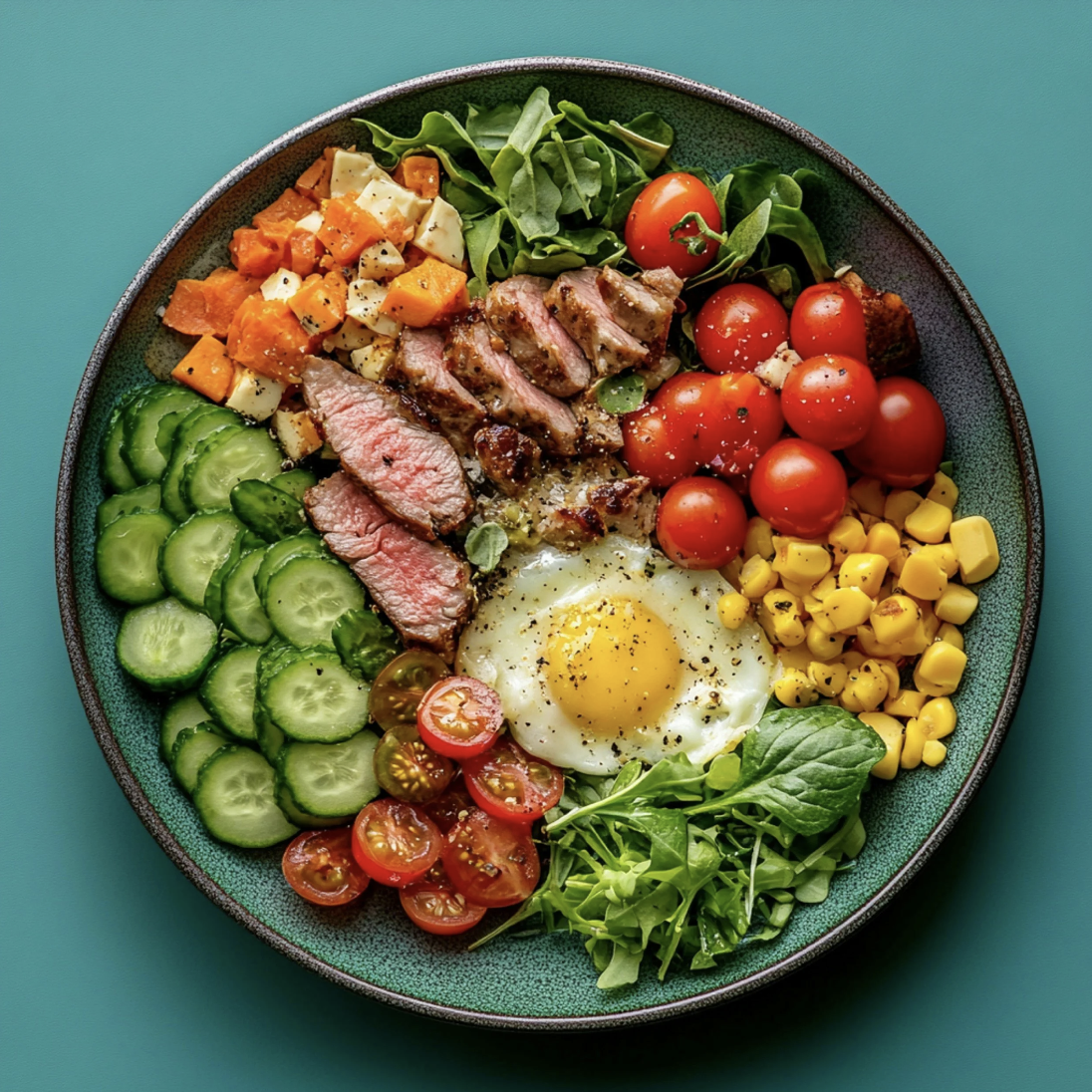
Why Most Diets Fail
When food becomes purely functional, we lose consistency.
You can have the “perfect” diet on paper—but if it’s not enjoyable, it won’t last.
The goal is:
👉 Combine results + satisfaction
That’s what creates sustainability.
My Approach: Food That Works Hard
Every food I eat earns its place by doing one of two things:
Helping me maintain weight and build muscle
Providing genuine enjoyment
👉 If it does neither, it doesn’t belong.
A Simple Way to Evaluate Food
To make decisions quickly, I use this formula:
👉 (Protein × 10 + Fiber × 20) ÷ Calories = Nutritional Score
This creates a simple, objective way to evaluate food quality.
The 4 Levels of Food
Here’s how I categorize foods:
Under 1.0 → Not helping me
1.0–1.5 → Decent
1.5–2.0 → Great
2.0+ → Exceptional
High-scoring foods create flexibility—so you can still enjoy less “productive” foods without derailing progress.
Examples of High-Scoring Foods
These are staples that consistently perform:

1. Egg Whites
All protein, no distractions.

2. Chicken Breast
High impact with minimal calories.

3. Lupini Beans
High fiber and protein in one.
These foods:
👉 Do the heavy lifting nutritionally
👉 Give you flexibility elsewhere
Why This Works
This approach removes guilt and replaces it with structure.
Instead of:
“Is this good or bad?”
You ask:
👉 “Is this worth it?”
That shift changes everything.
Key Takeaways
Build a system—not just a diet
Combine performance with enjoyment
Let a few high-performing foods carry the load
Flexibility is what makes consistency possible
A Smarter Way to Think About Nutrition
The best diet isn’t the most optimized.
It’s the one you can:
👉 Stick to consistently
When structure and enjoyment work together:
Results improve
Stress decreases
Sustainability increases
If you want a personalized approach to nutrition that balances performance and sustainability, you can book a free consultation.