
The Protein Debate: Why One Size Doesn’t Fit All
If you’ve spent any time in health media lately, you’ve probably seen the debate around protein.
Some say we’re overdoing it with protein powders and bars. Others—like Peter Attia and many longevity experts—argue we’re actually under-consuming protein, especially as we age.
So who’s right?
👉 The truth is: both—and neither.
The real issue isn’t protein.
It’s the lack of nuance.
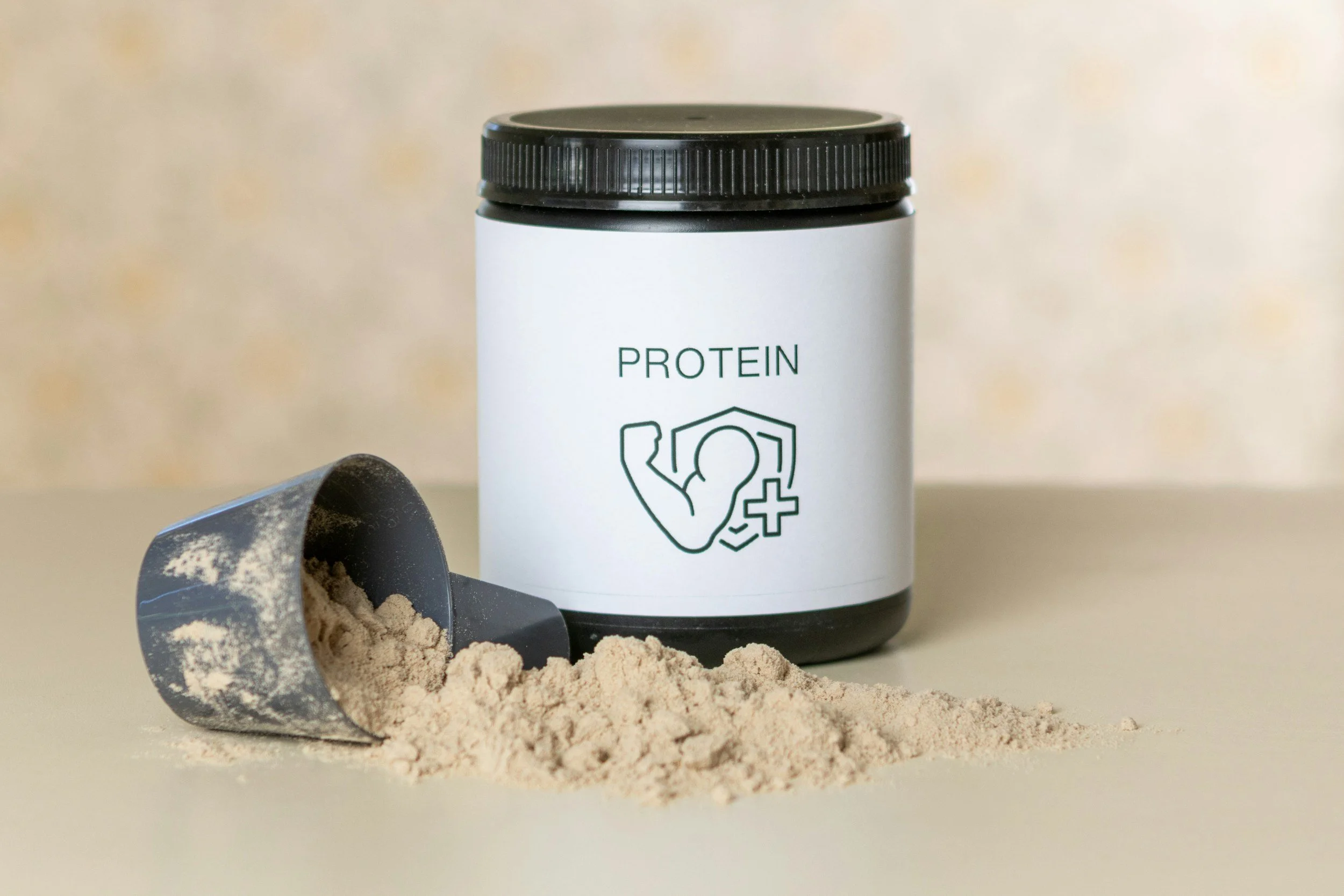
Protein plays a critical role in:
Muscle maintenance
Metabolic health
Recovery
As we age, it becomes even more important.
👉 Resistance training + adequate protein are essential for:
Preserving lean muscle
Maintaining bone density
Staying strong and independent

The Missing Piece: Context
What most protein debates ignore is context.
Not everyone has the same needs.
For example:
A sedentary individual with metabolic issues has different needs than an active, lean athlete
Someone focused on fat loss may benefit from higher protein intake
Someone with kidney concerns may need moderation
Even topics like leucine and mTOR:
👉 Depend heavily on age, activity level, and metabolic state
Why One-Size-Fits-All Advice Fails
The biggest problem in nutrition today:
👉 Generic recommendations
Instead of asking:
“Is protein good or bad?”
The better question is:
“What’s right for me?”
That depends on:
Your age
Your goals
Your activity level
Your health profile
How to Think About Protein
Here’s a better framework:
1. Pair Protein with Resistance Training
Protein alone isn’t enough.
👉 The combination of protein + strength training is what preserves and builds muscle.
2. Adjust Based on Your Goals
Fat loss → Higher protein helps preserve muscle
Performance → Protein supports recovery
Longevity → Helps maintain strength and independence
3. Avoid Extremes
Too much or too little protein can both be problematic.
👉 The optimal range depends on the individual—not headlines.
Key Takeaways
Protein needs vary based on your biology and goals
Resistance training amplifies the benefits of protein
One-size-fits-all nutrition advice doesn’t work
Personalization is the key to long-term success
A Smarter Way to Approach Nutrition
Nutrition isn’t about picking sides.
It’s about:
👉 Applying the right strategy to the right person
That’s how you:
Improve performance
Reduce risk
Support long-term health
If you want to dial in your protein intake based on your goals, lifestyle, and health profile, you can book a free consultation.