
The Hidden Cost of Chronic Convenience
Modern life is engineered for convenience.
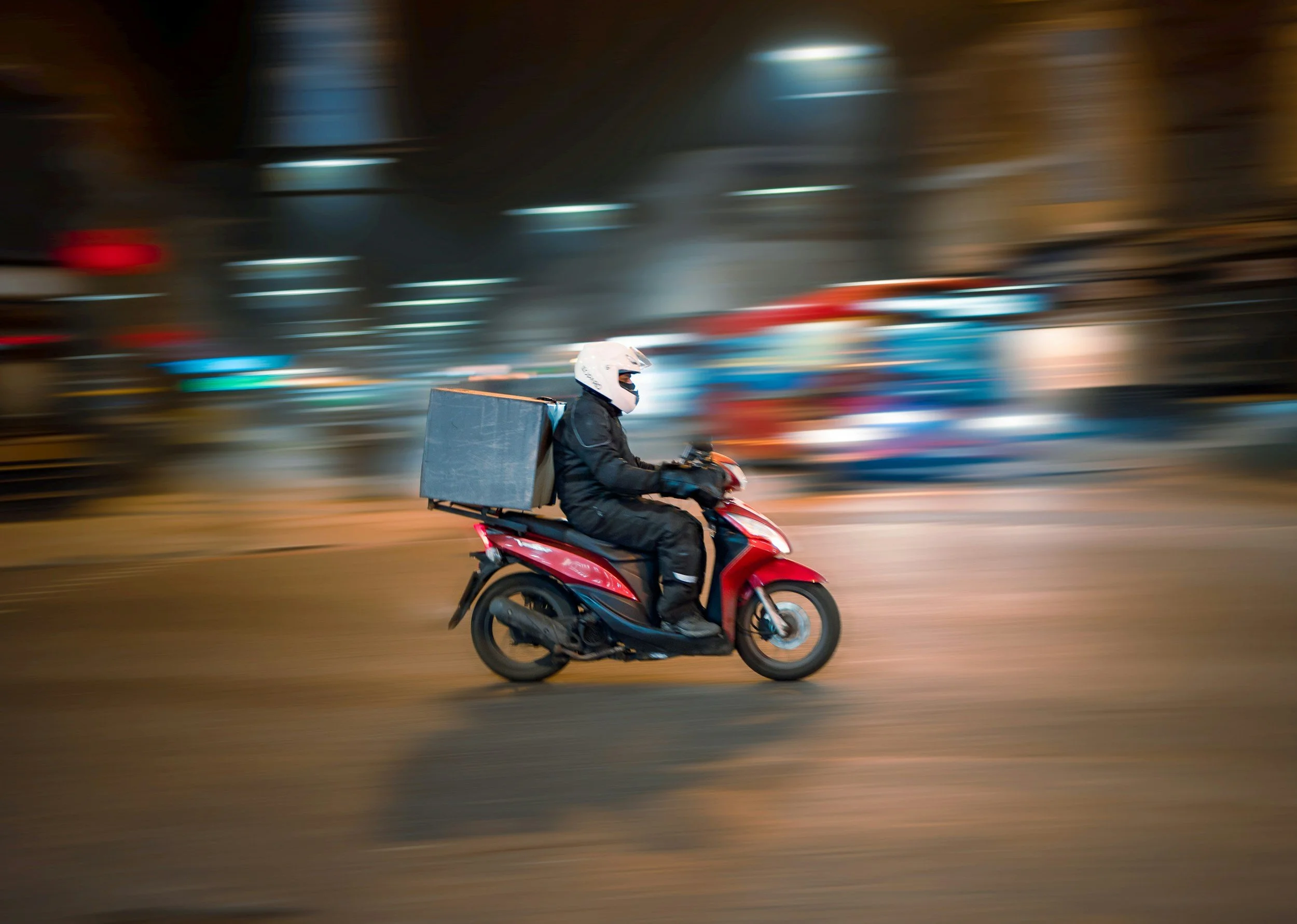
Food arrives at your door.
Cars replace walking.
Chairs replace movement.
Screens replace conversation.
Climate control replaces environmental stress.
On the surface, this feels like progress.
But convenience has a cost.
And it’s not financial.
The Biology of Ease
Your body was built for friction.
Muscle is maintained through resistance
Cardiovascular fitness improves through exertion
Metabolic flexibility develops through variability
Resilience grows through exposure and recovery
When friction disappears, capacity follows.
Chronic convenience quietly removes:
Incidental movement
Natural temperature stress
Physical effort
Social interaction
Delayed gratification
And without noticing, your baseline capacity declines.
The Subtle Erosion of Health
This isn’t dramatic.
It’s gradual.
You don’t wake up one day weaker.
You don’t suddenly lose aerobic capacity.
You don’t feel metabolic flexibility narrowing.
It happens in small increments:
Fewer daily steps
More time sitting
More ultra-processed food
Less time outdoors
Less exposure to discomfort
Over time, those small changes compound.
Why It Gets Harder After 40
When you’re younger, you can outpace convenience.
But over time, biology shifts:
Muscle becomes harder to build
VO₂ max declines faster
Insulin sensitivity becomes more fragile
Recovery requires more intention
If convenience continues unchecked, decline accelerates.
How to Counterbalance Convenience
The goal isn’t to eliminate convenience.
It’s to offset it.
That means being intentional about:
Strength training
Building aerobic capacity
Walking regularly
Prioritizing sleep
Reintroducing friction into daily life
Not extreme.
Deliberate.
Because resilience isn’t preserved by accident—it’s built through resistance.
Convenience feels harmless because it removes discomfort.
But discomfort is often the stimulus your body needs.
Without it:
Strength declines
Capacity shrinks
Resilience fades
Longevity isn’t about making life harder.
It’s about making sure ease doesn’t quietly erode your health.
Reintroduce the Right Kind of Friction
If you want to maintain long-term capacity, don’t optimize for ease alone.
Optimize for balance.
Because resilience requires resistance.
If you want help building a more intentional, balanced approach to your health and daily habits, you can book a free consultation.