
The Difference Between a Snapshot and a Trend in Health
A single lab result can be reassuring.
A single DEXA scan can look solid.
A single VO₂ max test can feel validating.
A single glucose reading can seem normal.
But a snapshot is not a strategy.
And it’s rarely the full story.
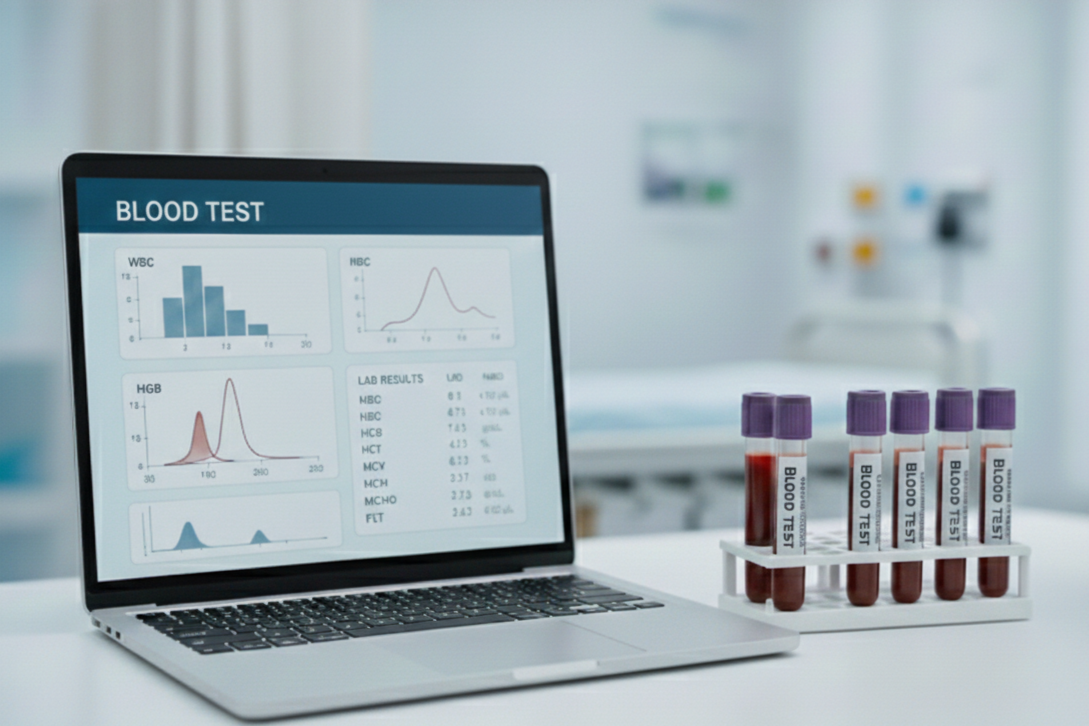
The Problem With Snapshots
Most healthcare decisions are made from isolated data points:
One annual physical
One blood panel
One imaging study
You’re told everything looks fine—or something needs attention—based on a single moment in time.
But health isn’t static.
It’s dynamic.
It moves gradually.
It trends.
A number that looks “normal” today may be drifting in the wrong direction year over year.
And that drift is often what matters most.
What Trends Reveal That Snapshots Can’t
A snapshot tells you where you are.
A trend tells you where you’re headed.
Those are very different things.
For example:
LDL slightly elevated once may not mean much
LDL rising steadily over five years tells a story
VO₂ max within range once is fine
VO₂ max declining despite training deserves attention
Fasting glucose normal once is reassuring
Fasting glucose increasing over time signals metabolic change
Direction matters more than a single data point.
Why Direction Matters More Than “Normal”
Most people focus on whether a number is “good” or “bad.”
But that’s the wrong question.
A better question is:
“Where is this number moving?”
Because:
A “normal” value trending worse is a warning
A “suboptimal” value improving is progress
Trajectory tells you what to do next.
Snapshots don’t.
How to Actually Use Your Health Data
Single tests don’t guide strategy.
Patterns do.
A better approach:
Track bloodwork over time
Monitor changes in body composition
Watch VO₂ max trends
Follow metabolic markers longitudinally
Pay attention to sleep and recovery patterns
Some of the most important decisions come from subtle shifts—not extreme results.
The Difference Between Reacting and Anticipating
When you rely on snapshots:
You react
When you track trends:
You anticipate
That difference is everything.
It’s the difference between:
Managing decline
Preserving resilience
Because small changes compound.
Left alone, they become diagnoses.
Addressed early, they stay adjustments.
Think in Trajectories, Not Moments
Healthspan isn’t protected by isolated good results.
It’s protected by understanding direction—and adjusting before that direction becomes a problem.
Don’t just ask:
“Is this number normal?”
Ask:
“Where is this going?”
Start Looking at the Full Picture
If you want to make better decisions about your health, stop relying on snapshots.
Start looking at trends.
Because direction matters more than a moment.
If you want to track the right trends and act on them early, explore our longevity concierge service.