
Huberman’s Simple Diet: What to Eat (and Avoid) for Better Health
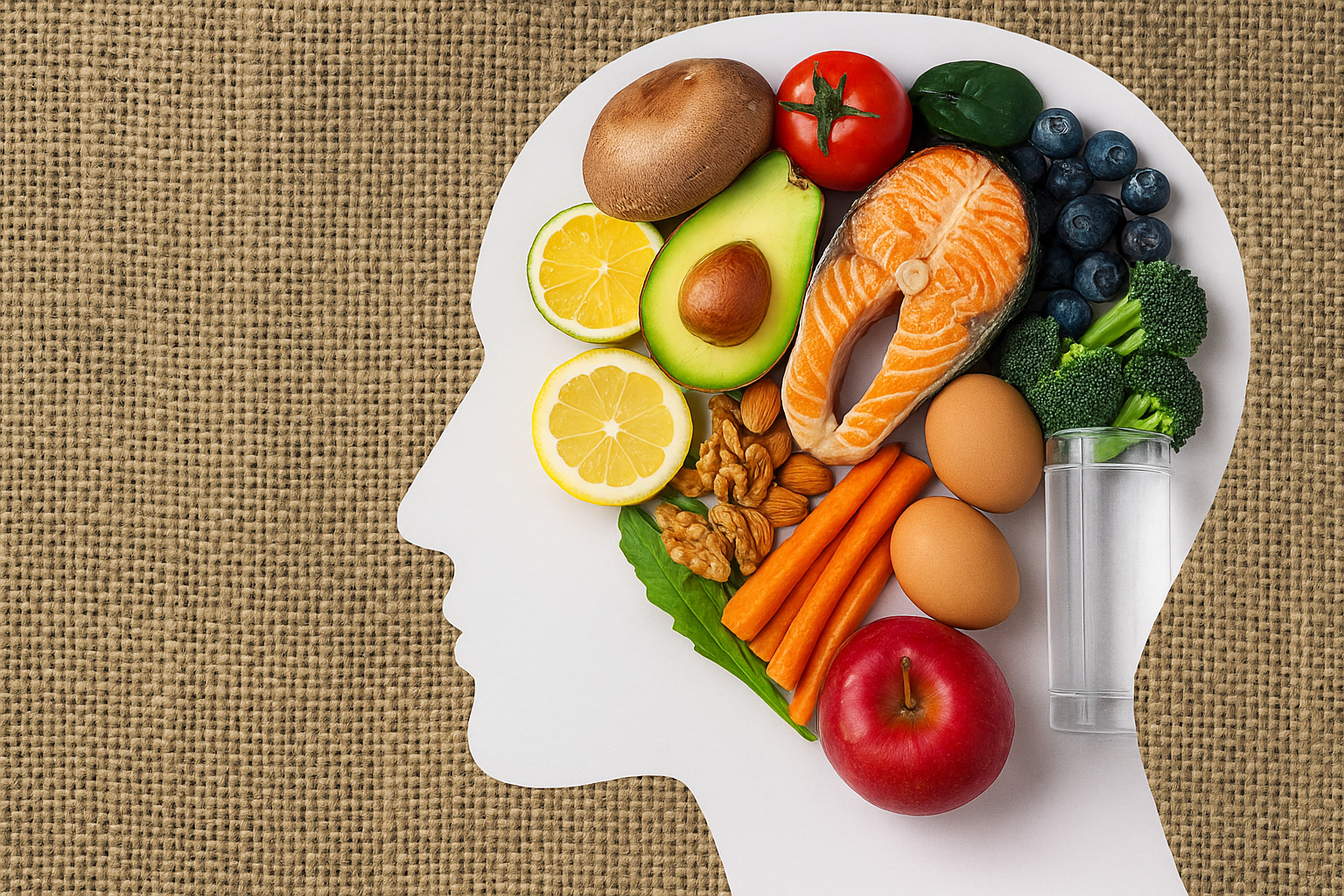
When it comes to losing weight and improving metabolic health, most people don’t need more complexity—they need a simple plan that’s easy to follow and hard to mess up.
Neuroscientist Andrew Huberman recommends a clear, structured approach built around real, whole foods.
The idea is simple:
👉 Eat foods your body recognizes, and eliminate the ones that drive cravings.
Why Simplicity Works
Most diets fail because they’re too complicated.
Counting calories, tracking macros, and constantly making decisions creates friction—and friction leads to inconsistency.
This approach works because it:
Reduces decision fatigue
Stabilizes hunger signals
Makes consistency easier
What to Eat: Simple, Whole Foods
This approach focuses on nutrient-dense foods that support satiety, energy, and metabolic health.
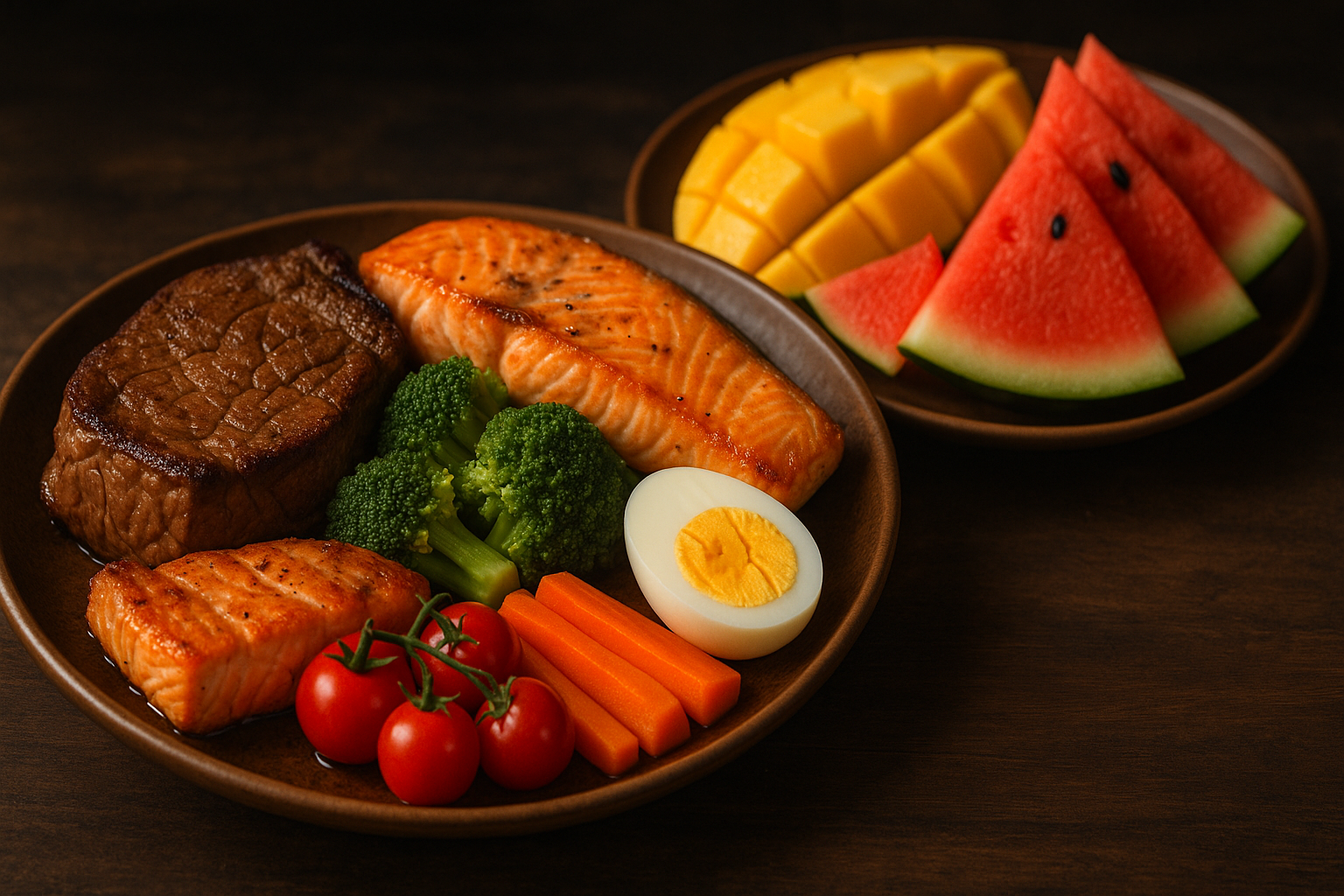
Eat Only: What’s In and Why
Protein Sources (Foundation of the Diet)
Meat
Beef, lamb, bison, chicken, turkey
→ Supports muscle, hormones, and long-lasting satiety
Fish
Salmon, sardines, mackerel, cod
→ Rich in omega-3s for brain and cardiovascular health
Eggs
One of the most nutrient-dense foods available
→ High in protein, healthy fats, and essential nutrients
Carbohydrates (From Whole Foods)
Fruit
Apples, berries, citrus, bananas
→ Provides fiber and helps regulate blood sugar when paired with protein
Vegetables
Leafy greens, cruciferous vegetables, root vegetables
→ High in fiber, micronutrients, and support digestion and energy

Drink Only: What’s In and Why
Water
Still or sparkling, no additives
→ Essential for metabolism, digestion, and energy
Tea
Green, black, or herbal
→ Supports focus and provides antioxidants
Black Coffee
No cream, sugar, or additives
→ Can support focus, performance, and appetite control
What to Avoid
To get the full benefit, eliminate foods that disrupt hunger signals:
❌ Processed foods (chips, bars, packaged snacks)
❌ Sugary drinks and alcohol
❌ Additives (seed oils, artificial sweeteners, preservatives)
Even small amounts can:
Increase cravings
Disrupt metabolism
Make consistency harder
👉 Simple rule:
If it didn’t grow, swim, walk, or fall off a tree—skip it.
Why This Works
This approach is effective because it’s:
Simple
No tracking, apps, or complicated rules
Effective
Supports weight loss, energy, and metabolic health
Self-regulating
Once processed foods are removed, hunger cues normalize
Many patients see meaningful improvements within 30 days.
Key Takeaways
Simplicity beats complexity when it comes to diet
Whole foods naturally regulate hunger and energy
Eliminating processed foods reduces cravings
Consistency—not perfection—is what drives results
If you want a personalized approach to nutrition and metabolic health that’s built to last, you can book a free consultation.