
Why Women Need a Different Longevity Plan
Much of longevity research has historically focused on men—but female biology is fundamentally different, especially during midlife.
Hormones, bone density, metabolism, and recovery all shift in ways that require a more proactive and personalized approach.

A Real Example
My wife has worked out consistently—seven days a week—for over 20 years.
But when she got her first DEXA scan in her early 40s, the results were eye-opening:
👉 Low bone density.
She wasn’t doing anything wrong.
The issue was simple:
👉 She hadn’t been measured.
Like many women, she had never been told to check bone density until age 65.
What Changed (and Why It Worked)
We made a few targeted adjustments:
Increased resistance training intensity and frequency
Added more protein to support muscle and bone
Introduced creatine and vitamin D for recovery and bone health
Within just a few months:
👉 Her bone health significantly improved
No extreme overhaul required.
Why This Matters More for Women
After menopause, women lose bone and muscle mass faster.
Without early awareness and action, this can lead to:
Increased fracture risk
Fatigue
Decline in strength and independence
👉 The key is catching changes early—not reacting late.
Key Areas Women Should Focus On
1. Bone Health
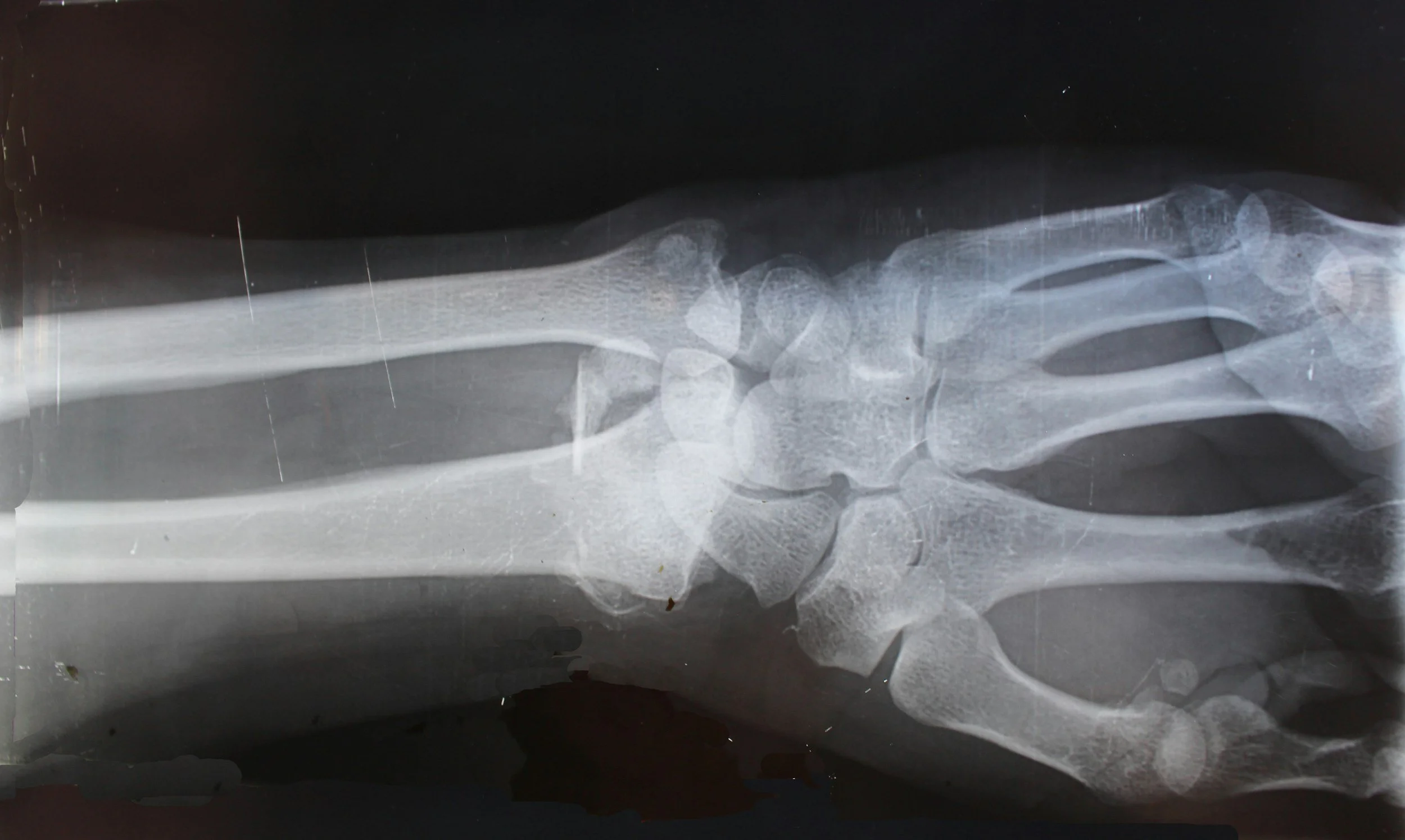
Get a DEXA scan early to detect changes before they become serious.

2. Hormonal Changes
Perimenopause can begin as early as your 30s.
Tracking labs and symptoms helps guide better decisions.
3. Strength Training
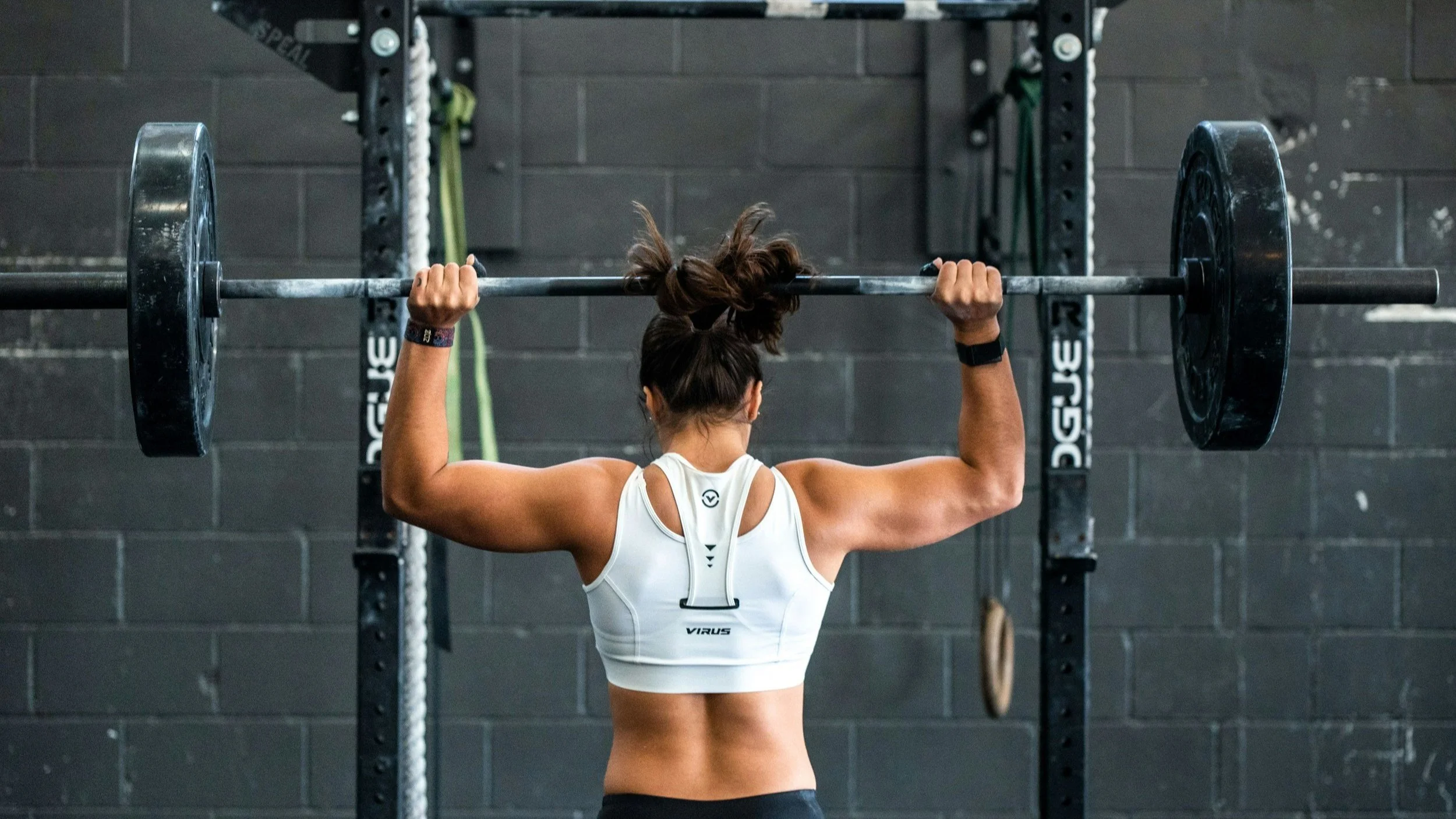
Muscle is critical for:
Bone density
Balance
Metabolic health

4. Sleep & Stress
Hormonal changes can disrupt both.
Having a structured plan becomes essential.

5. Targeted Nutrition
Key nutrients include:
Protein
Vitamin D
Magnesium
Creatine
These support long-term strength, recovery, and vitality.
Key Takeaways
Don’t wait until 65 to assess bone health
Strength training is essential—not optional
Hormonal shifts require proactive monitoring
Nutrition and recovery become more important with age
A Smarter Approach to Longevity for Women
Longevity isn’t one-size-fits-all.
Women need:
Earlier testing
Different benchmarks
More personalized strategies
👉 The earlier you act, the better the outcomes.
If you want a more personalized approach to testing, hormones, and long-term health, you can book a free consultation.