
Lead in Plant Protein Powders: What You Need to Know (and Do)
Recent reports have raised concerns about heavy metals—especially lead—in many popular protein powders.
If you rely on protein shakes, this is worth paying attention to.
A Consumer Reports investigation tested 23 products and found:
👉 Over two-thirds contained concerning levels of lead per serving
👉 Plant-based powders were hit hardest
This isn’t entirely new.
Independent testing has consistently found heavy metals like:
Lead
Cadmium
Arsenic
across protein powders—especially plant-based and chocolate-flavored options.
Why Plant-Based Powders Are Higher Risk
Plants absorb what’s in their environment.
That means:
👉 Soil + water contamination can concentrate metals in ingredients like pea or rice protein
On top of that:
Supplements aren’t tightly regulated
There are no strict federal limits for protein powders
👉 Quality varies significantly by brand
Protein powder can still be useful.
The key is:
👉 Treat it like a supplement that requires due diligence
My Protocol (Risk-Reducing Steps)

1. I prioritize whole-food protein first
Eggs, poultry, fish, Greek yogurt, legumes, and tofu/tempeh (minimally processed) before reaching for powders. I use shakes as a backup, not a base.
2. When I use powder, choose safer signals
Look for third-party certifications (NSF Certified for Sport, USP Verified, or ConsumerLab-tested). These don’t guarantee “zero,” but they raise the floor on quality.
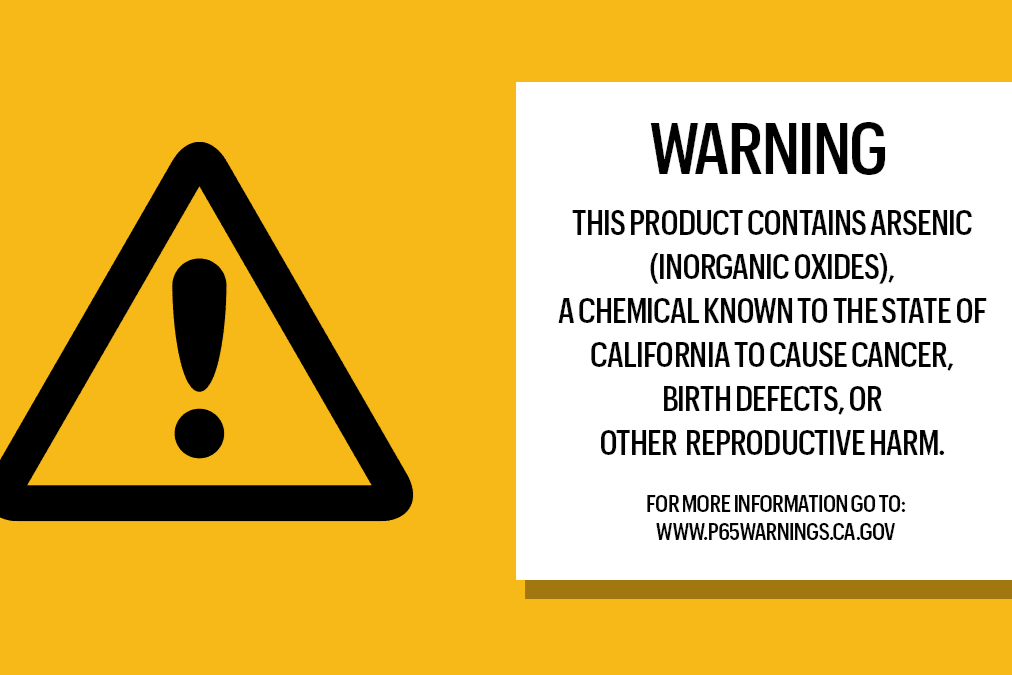
3. I watch for Prop 65 warnings (context matters)
A Prop 65 label signals exposure could exceed California’s strict threshold (0.5 µg/day lead). It doesn’t mean the product is “unsafe” in all contexts, but it’s a useful risk flag.
Yes, I still use protein powder, but treat it like a supplement that requires due diligence.
Plant-based users: be selective, prefer certified products, avoid chocolate flavors, and limit daily servings.
For many people, shifting 1–2 scoops/week back to whole foods can meaningfully reduce cumulative lead without sacrificing gains
Key Takeaways
Don’t panic—pivot your strategy
Plant-based protein powders tend to carry higher risk
Whole foods should remain your primary protein source
Look for transparency and third-party testing
Small adjustments can meaningfully reduce long-term exposure
A Smarter Way to Think About Protein Supplements
Protein powder isn’t inherently bad.
But it should be:
👉 Used intentionally—not automatically
When you:
Prioritize whole foods
Choose higher-quality supplements
Reduce unnecessary exposure
You get the benefits without the downside.
If you want help choosing the right supplements while minimizing risk, you can book a free consultation.