
How to Make Protein Supplements Work for You (Without the Downsides)
Protein is one of the most important building blocks for health.
It supports:
Muscle
Metabolism
Recovery
Satiety
While whole foods should always come first, protein powders, bars, and shakes can be valuable tools—especially when you’re short on time or need convenient recovery fuel.
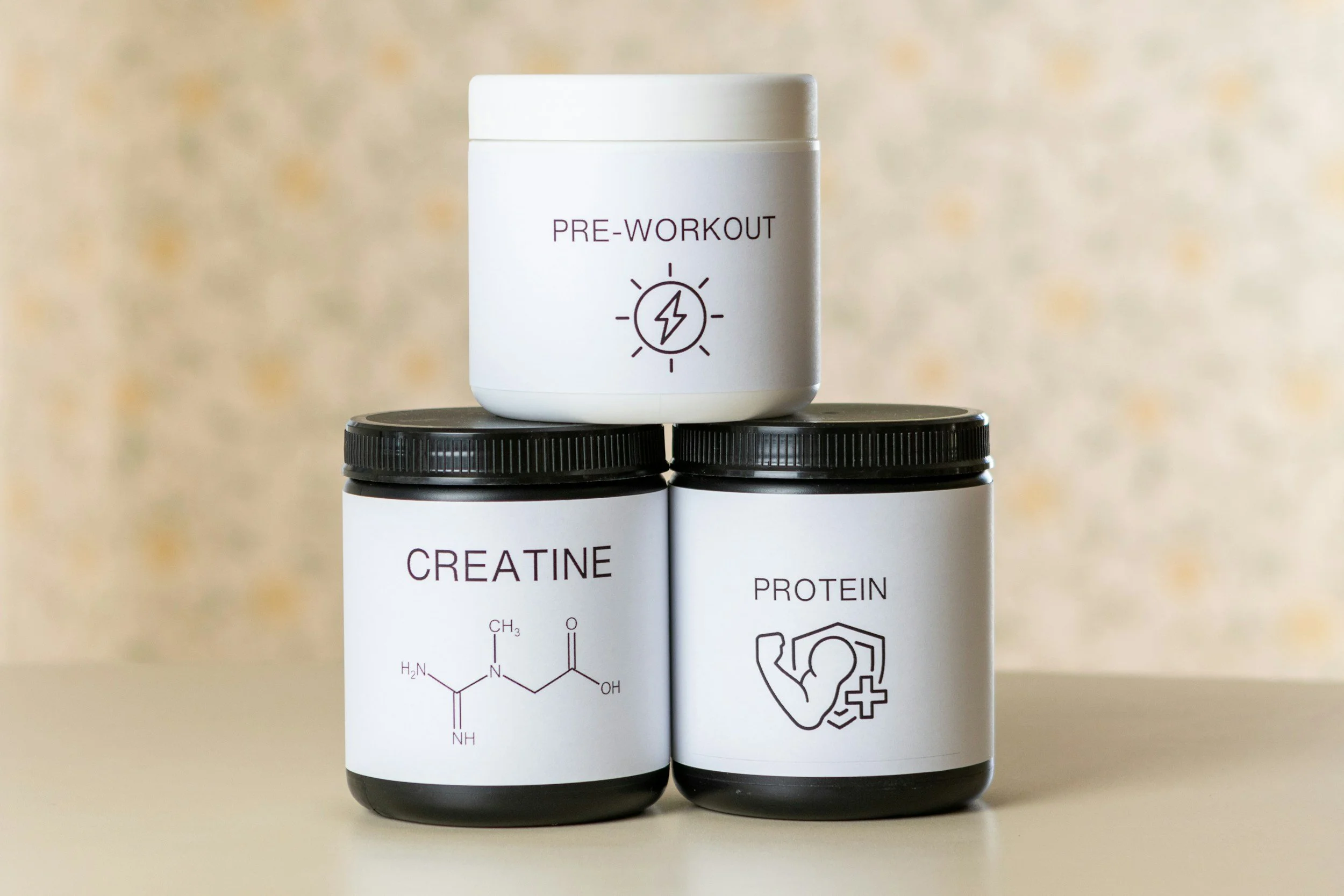
The Problem with Protein Supplements
Not all protein supplements are created equal.
The wrong choice can lead to:
Blood sugar spikes
Digestive issues
Unnecessary fillers and additives
👉 The goal isn’t just more protein—it’s the right protein.
How to Choose the Right Protein Supplement
Here’s what actually matters:
Look for clean protein sources (whey, plant-based, or animal-based)
Avoid excess sugar and artificial additives
Choose based on your goal (recovery, gut health, convenience)
Types of Protein Supplements (and When to Use Them)
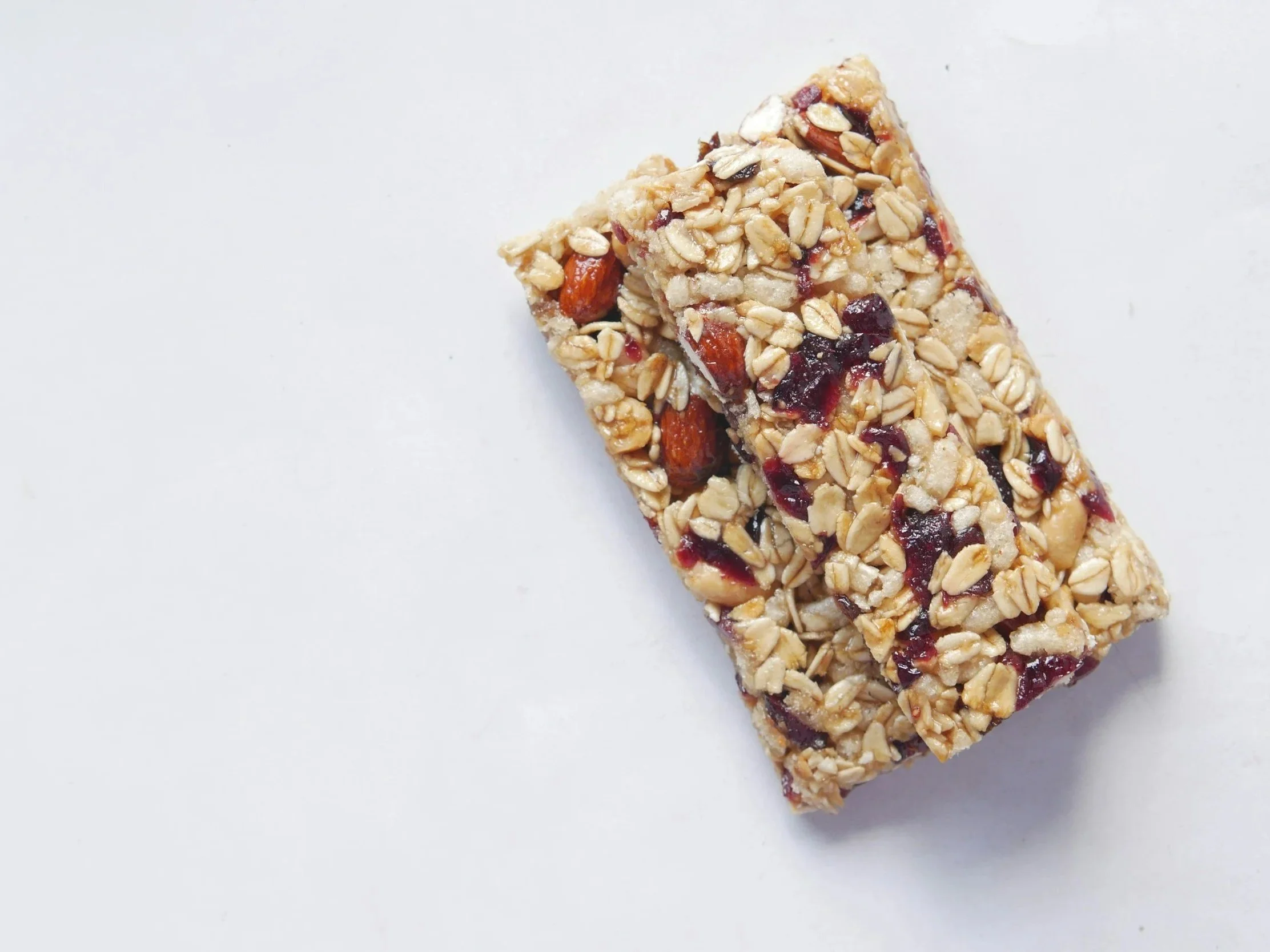
1. Protein Bars
Great for convenience—but quality varies widely.
Some are nutrient-dense. Others are basically candy bars with protein added.
👉 What to aim for:
10–15g protein (more if post-workout)
3–8g fiber
<5g added sugar
2. Protein Powders
Flexible and effective—if they match your digestion and goals.
Best options based on needs:
Muscle recovery → Whey isolate or beef protein
Gut health → Plant-based blends or bone broth protein
Dairy-sensitive → Plant-based or non-dairy animal protein
Satiety → Blends with fiber or whey + casein

3. Ready-to-Drink Protein Shakes
Convenient for travel or post-workout.
👉 Look for:
20–30g protein
Minimal added sugar
Short ingredient list
Brands and Options to Consider
Some cleaner options include:
Plant-Based:
Sprout Living
Truvani
Naked Pea
Just Ingredients
Whey / Dairy:
Puori
Transparent Labs
Ascent
Klean Athlete
Levels
Non-Dairy Animal-Based:
Equip Beef Protein
Paleo Valley Bone Broth Protein
Designs for Sport
Ready-to-Drink:
Slate Milk (lactose-free)
OWYN Pro Elite (plant-based)
Iconic Protein (grass-fed dairy)
Jocko Molk RTD
Key Takeaways
Match your supplement to your goal
Choose quality over convenience
Avoid unnecessary additives and sugars
Personalization matters—what works for you may differ from others
A Smarter Way to Think About Supplements
Protein supplements are tools—not necessities.
They work best when they:
Fill a gap
Support your routine
Fit your lifestyle
👉 Not when they replace real food or create dependency.
If you want to choose the right supplements based on your goals, lifestyle, and health profile, you can book a free consultation.