
Sleep Is the Shortcut to Recovery (and Longevity)
We’ve accepted poor sleep as normal—and we’re paying the price in our health.
A recent study found that Americans have missed the equivalent of 120 full nights of sleep in the past five years. That’s not just a statistic—it’s a silent epidemic.
Sleep isn’t optional recovery.
👉 It’s foundational regulation.

Why Sleep Matters More Than You Think
When sleep is compromised, the effects ripple through every system in your body:
Increased cardiovascular risk
Accelerated weight gain
Faster biological aging
Even if you’re eating well, training consistently, and taking supplements—none of it sticks without quality sleep.
The High-Performer Paradox
We see this all the time:
High-performing individuals come in doing everything “right”:
Clean diet
Consistent workouts
Advanced supplementation
Yet they’re:
Gaining fat
Losing focus
Aging faster than expected
👉 What’s missing?
Sleep.
The True Cost of Poor Sleep
Lack of sleep doesn’t just affect energy—it actively drives disease:
Elevated cortisol disrupts blood sugar
Hormone production declines
Inflammation increases
Poor recovery leads to worse food choices
Sleep is not passive.
👉 It’s one of the most active drivers of longevity.
A Simple Sleep Recovery Framework
Here’s how we help clients rebuild their sleep:

1. Get Morning Light Early
Get natural light within 30 minutes of waking.
This anchors your circadian rhythm and improves sleep later.
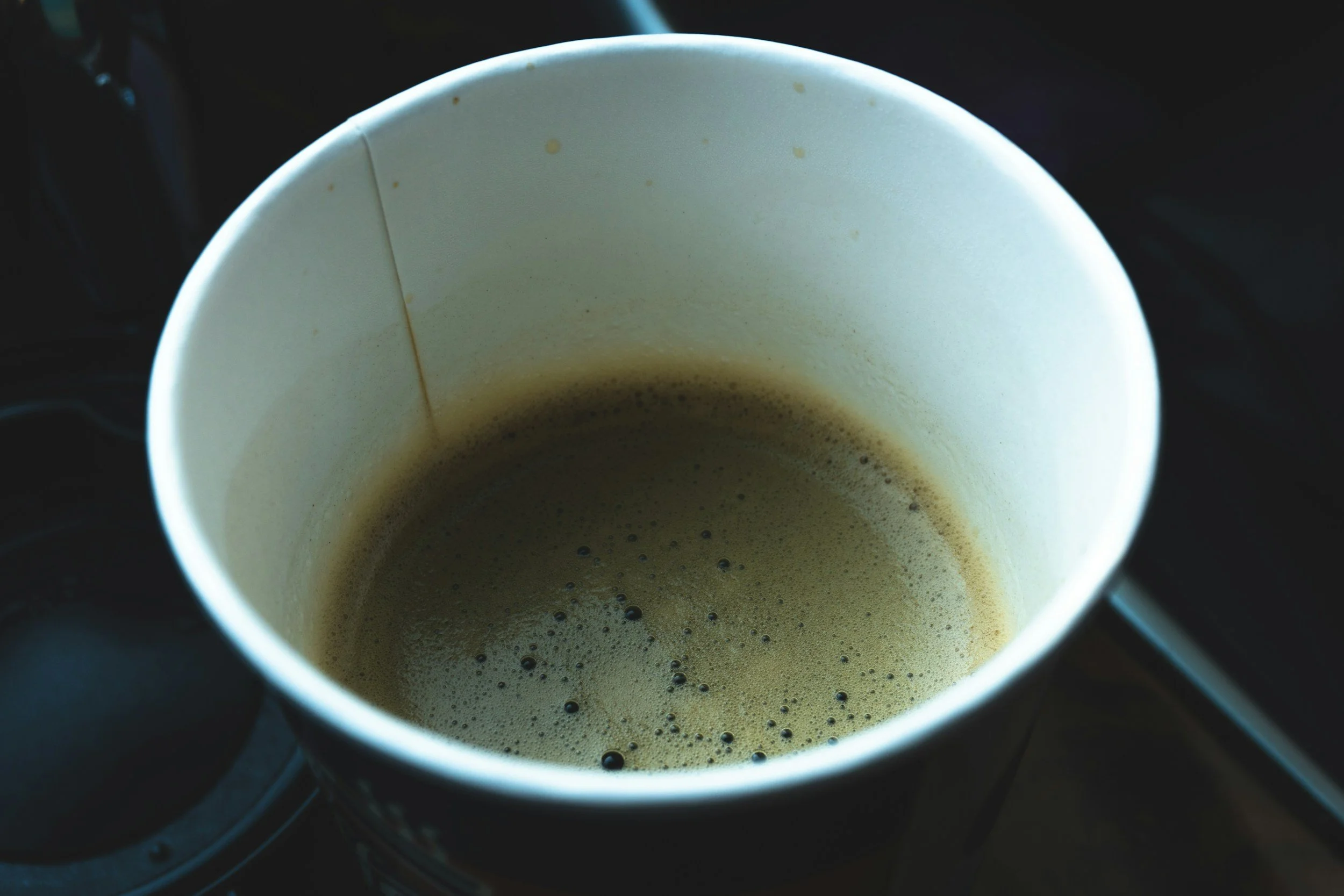
2. Cut Caffeine After 10 AM
Even small amounts can disrupt deep sleep—especially as you age.

3. Time Your Last Meal
Finish eating at least 3 hours before bed.
This helps stabilize glucose and improve sleep quality.

4. Create an Evening Shutdown Routine
At least 60 minutes before bed:
No screens
Dim lighting
No work
Let melatonin rise naturally.
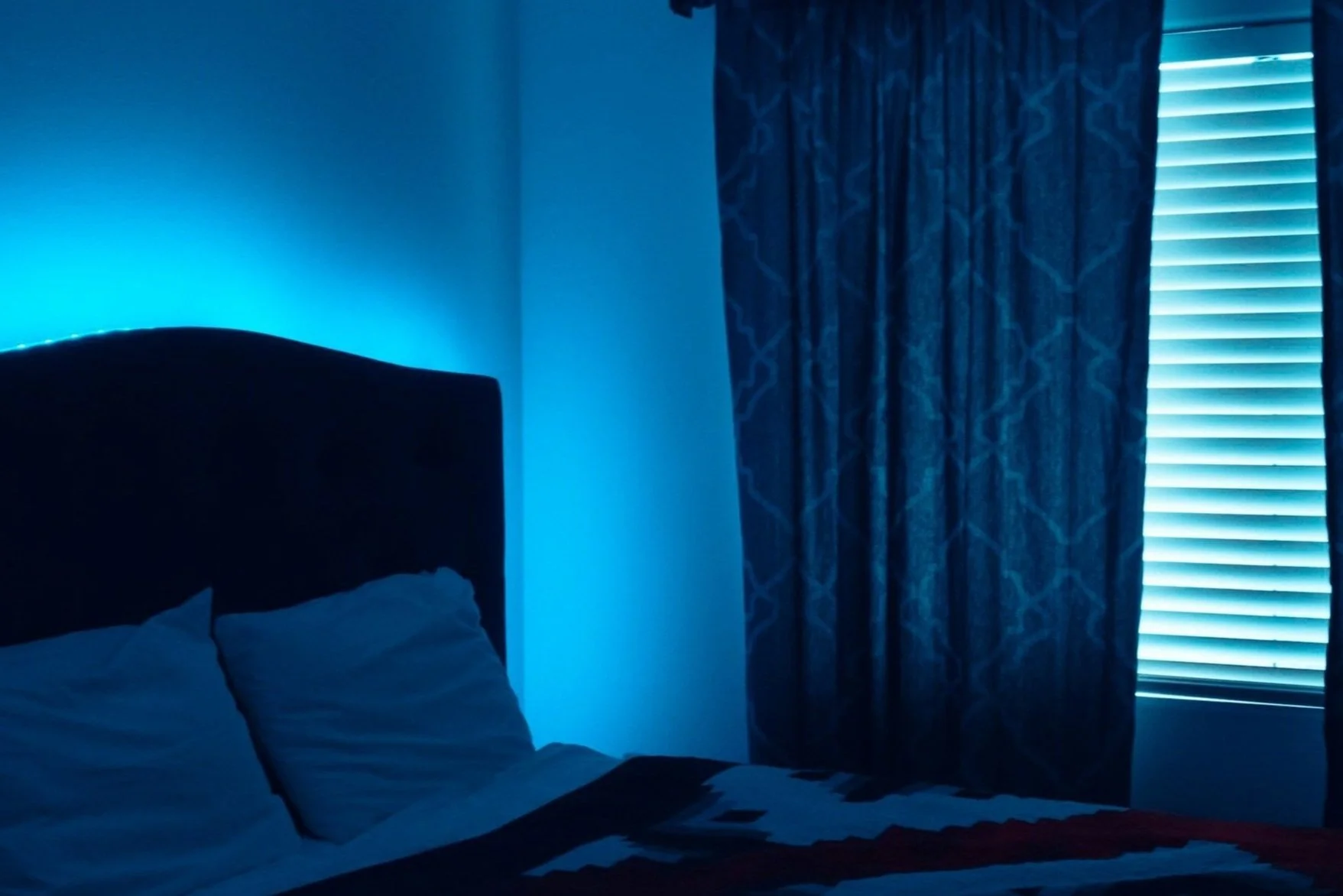
5. Optimize Your Sleep Environment
Cool, dark, and quiet.
Use blackout shades and remove devices from the bedroom.

6. Track and Adjust
We often track:
Sleep data
HRV
Overnight glucose
This allows for personalized adjustments over time.
Key Takeaways
You can’t optimize what you don’t prioritize
Recovery is where real progress happens
Sleep is an active investment in your healthspan
You cannot out-hack sleep deprivation
A Better Way to Think About Sleep
You can’t biohack your way out of sleep debt.
But you can:
👉 Train your body to recover like it’s your job.
Sleep is the foundation that everything else builds on.
If you want help improving your sleep, recovery, and overall health strategy, you can book a free consultation.